Revolution App Online School
Online Reselling
Learn listing, shipping and margin basics using items you already own.
7 video classes · 5 written lessons with exercises
Video classes
 Revolution AppLesson 1
How to Sell on eBay for Beginners (tools, software, strategies)
Justin Resells · Video 1 of 7
Lesson 1 reviews 4.3 · 3 reviews
Kevin C.Mesa, AZ · 82 days ago
Good reminder to research sold listings, not active ones. That saved me from overpaying. Highly recommend it.
Terry F.Mesa, AZ · 131 days ago
Good reminder to research sold listings, not active ones. That saved me from overpaying. Clear audio and no rushing.
Margaret F.Mesa, AZ · Today
Good reminder to research sold listings, not active ones. That saved me from overpaying. I'll watch the next lesson tonight.

Introduction
This book is a practical starting point, not a promise of income. Read the chapters in order, then test one small offer or product before spending heavily. Use invented information for practice and keep confidential client information out of your portfolio. Laws, taxes, licensing and platform terms may vary; consult current official guidance and qualified professionals when needed.
Your goal: Three accurate listings and a realistic per-item profit worksheet.
All scenarios and pricing calculations are illustrative, not promises of business results.
Lesson 1
Start with low-risk inventory
Begin with unused items you already own rather than buying bulk inventory. Check marketplace rules for prohibited, recalled and counterfeit goods. Verify ownership and authenticity before listing branded items.

Learn with items you can afford not to sell
Your own unused possessions are a lower-risk starting point than a large inventory purchase. Check authenticity, safety and marketplace restrictions. An item’s asking price elsewhere is not proof that it sells at that amount.
A first inventory choice
Start with an ordinary book or household item in inspectable condition. Avoid products you cannot authenticate or goods subject to restrictions. Record condition and acquisition cost before writing the listing.
- 1Choose three items you can inspect
- 2Check condition and policy restrictions
- 3Research completed sales rather than asking prices
Worked example: decisions and trade-offs
You practice with three unused household items that you own and can inspect. Your project includes condition notes, original photographs, realistic shipping measurements and a per-item worksheet. Start with a small test instead of purchasing unproven bulk inventory.
Inspect ownership, authenticity, condition and marketplace restrictions before thinking about a selling price. A familiar brand does not make an item safe to list if it is recalled, counterfeit or missing a required part. Record visible wear and test functions only where you can do so safely. Research sold listings with comparable model, condition and included accessories; active asking prices do not show what buyers actually paid. Decide whether the likely proceeds justify the inspection, listing and shipping effort before adding more inventory.
Write your answer before looking for a ready-made template. Identify the evidence you used, the assumption most likely to be wrong and the person who should approve the next step. Then describe a different choice and explain why it is less suitable in this particular case.
Define the problem before choosing a tool
Write the starting condition in plain language. Who experiences the problem, how often does it occur and what does it prevent them from doing? Separate an observed fact from a guess about its cause. A statement like the process takes too long needs an example and a baseline; a statement like everyone needs an app is already assuming the solution. Use a short conversation or a fictional practice case to identify what matters. Ask which constraints cannot change, including available time, existing systems and permissions.
Next, define a modest result you can verify. A useful result is a deliverable or observable improvement, not a claim that someone will become successful. Record what is outside your assignment and which decisions belong to another person. This boundary is not an obstacle to being helpful: it prevents you from taking responsibility for matters you cannot control. Before moving forward, explain the problem and proposed result in one paragraph. If that paragraph is difficult to write, reduce the scope until the relationship between need and work is clear.
Action checklist
- Choose three items you can inspect
- Check condition and policy restrictions
- Research completed sales rather than asking prices
Workbook exercise
Create an inventory sheet with item, condition, purchase cost and expected sale range.
Lesson 2
Calculate the real margin
Revenue is not profit. Deduct item cost, marketplace fees, shipping, packaging, returns and other expenses. Use current fee schedules and measured package dimensions instead of guessing.
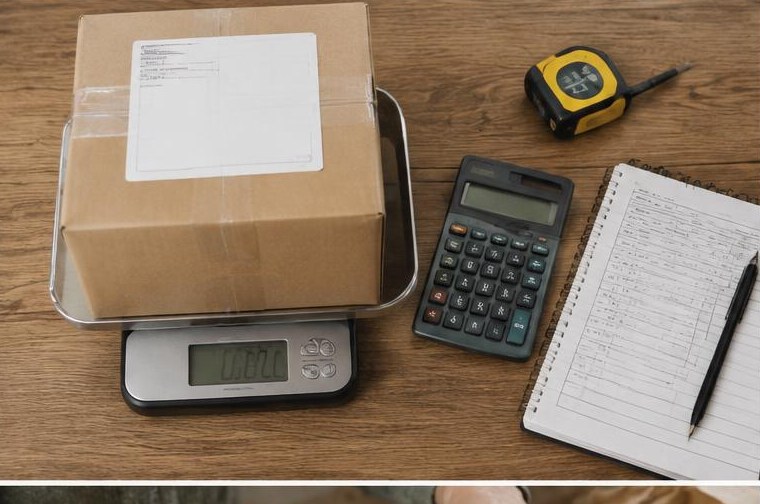
Estimate profit before committing
A sale has several costs, and some are uncertain until the item is packed. Calculate using current fee rules and real dimensions. Build room for returns and do not confuse the sale price with money you can keep.
Illustrative margin math
For practice, a $40 sale minus $10 item cost, $6 fees, $8 shipping and $2 supplies leaves $14 before taxes and other expenses. Actual fees and shipping vary; this example is not a platform quote or an earnings forecast.
- 1Measure packed weight and size
- 2Look up current platform and shipping fees
- 3Calculate a break-even price
Worked example: decisions and trade-offs
You practice with three unused household items that you own and can inspect. Your project includes condition notes, original photographs, realistic shipping measurements and a per-item worksheet. Start with a small test instead of purchasing unproven bulk inventory.
Contribution margin is what remains after the costs associated with a sale, not the money collected from the buyer. Include item cost, current marketplace and payment fees, postage, packaging, discounts and a reasonable allowance for returns. Measure the packed parcel instead of estimating from the unpacked object. Keep taxes and general business costs separate for appropriate review. Run a normal and a downside scenario, such as higher postage or a returned item. A sale at a positive margin may still be unattractive if it takes many hours to complete.
Write your answer before looking for a ready-made template. Identify the evidence you used, the assumption most likely to be wrong and the person who should approve the next step. Then describe a different choice and explain why it is less suitable in this particular case.
Build a practice example that can fail
Practice is most valuable when it reveals errors before a real customer is affected. Create a small example containing one normal case, one incomplete case and one exception. Use invented information and make the expected outcome explicit before you begin. Then perform the work using the same sequence you would use in a real assignment. Record where you hesitated, which instructions were unclear and which assumptions were unsupported. A sample that always succeeds because it avoids difficult cases teaches less than a realistic example with a visible correction.
Review the sample as if someone else had created it. Can a beginner understand the output? Can a reviewer trace an important decision back to its evidence? Is private information exposed unnecessarily? Ask a willing reviewer to follow the instructions without coaching, then note where they need help. Improve the process rather than blaming the reader. Preserve the revised version and a short change log so your next attempt starts from what you learned. The objective is dependable work, not a perfect-looking portfolio piece with no explanation of how it was made.
Action checklist
- Measure packed weight and size
- Look up current platform and shipping fees
- Calculate a break-even price
Workbook exercise
Use: sale price minus item cost, fees, shipping and supplies equals estimated margin before taxes.
Lesson 3
Create honest listings
Photograph the actual item from multiple angles, including flaws. Use a factual title, measurements and condition details. Do not copy another seller’s pictures or claim an item is new when it is not.

Let buyers inspect the actual item
Clear photos of defects reduce surprises. Describe measurements, included parts and the condition without exaggeration. Stock photos may fail to show the item being sold and can introduce rights or accuracy problems.
A listing structure
Use a factual title, condition summary, measurements, included items, known flaws and handling terms. If a ceramic item has a small chip, photograph it and mention it directly rather than hiding it in vague wording.
- 1Take clear original photographs
- 2List dimensions, defects and included parts
- 3Choose a category and clear return terms
Worked example: decisions and trade-offs
You practice with three unused household items that you own and can inspect. Your project includes condition notes, original photographs, realistic shipping measurements and a per-item worksheet. Start with a small test instead of purchasing unproven bulk inventory.
Describe the actual item with original photos, dimensions, model identifiers, flaws and included parts. An accurate condition statement reduces surprises but does not replace platform return rules. Choose packaging before listing so you can quote realistic handling and shipping. Keep records of the item's condition and the packed parcel without collecting unnecessary buyer data. A listing should answer the questions a careful buyer would ask. Do not borrow another seller's images or hide damage because a more attractive listing might get more clicks.
Write your answer before looking for a ready-made template. Identify the evidence you used, the assumption most likely to be wrong and the person who should approve the next step. Then describe a different choice and explain why it is less suitable in this particular case.
Turn the method into a bounded plan
A workable plan connects activities, responsibilities and constraints. List the inputs you need, who supplies them, the sequence of work and the definition of completion. Include review time and an explicit way to handle changes. An estimate based only on the visible deliverable overlooks preparation, communication, correction and administration. Compare a normal case with a difficult case before deciding how much work you can accept. If the plan relies on approval or information from someone else, make that dependency visible instead of silently promising a deadline you cannot independently meet.
For any business calculation, distinguish gross receipts from the amount remaining after costs. Use current fees and real measurements where available, label hypothetical numbers clearly and include a downside scenario. Do not interpret an illustrative worksheet as a market rate or earnings prediction. Decide what evidence would justify continuing and what would cause you to pause. A budget-limited experiment is a learning decision, not a guarantee. The written scope should also explain exclusions, revision limits and the point at which extra requests require a new agreement.
Action checklist
- Take clear original photographs
- List dimensions, defects and included parts
- Choose a category and clear return terms
Workbook exercise
Draft a listing that includes condition, measurements, shipping handling time and flaws.
Lesson 4
Ship and handle issues
Choose packaging that protects the item, and use tracked shipping where appropriate. Keep communication on the platform. Refund and dispute requests should follow platform rules rather than outside payment instructions.

Keep a record of fulfillment
Pack to withstand normal handling, then record tracking and shipment confirmation. Stay within the marketplace’s communication and dispute process. An outside message asking for a different payment or shipping arrangement should be treated cautiously.
A packing routine
Confirm the item and order, protect fragile areas, weigh the packed box and use the address provided through the order. Retain the tracking number and follow the platform’s procedure for a delivery issue.
- 1Package and photograph the packed item
- 2Confirm address through the order
- 3Keep tracking and delivery records
Worked example: decisions and trade-offs
You practice with three unused household items that you own and can inspect. Your project includes condition notes, original photographs, realistic shipping measurements and a per-item worksheet. Start with a small test instead of purchasing unproven bulk inventory.
Respond to reasonable questions with factual details and keep communication on the marketplace. Confirm orders and addresses through the official order record, not an external payment message. Follow platform processes for changes, refunds and disputes. Overpayment requests and messages asking you to forward money are warning signs. If a buyer reports an issue, compare the listing, photos and shipping record before deciding on a response. Remain professional and use the documented process; an accusation or rushed off-platform refund can make resolution harder.
Write your answer before looking for a ready-made template. Identify the evidence you used, the assumption most likely to be wrong and the person who should approve the next step. Then describe a different choice and explain why it is less suitable in this particular case.
Run a small test and listen to the evidence
Choose a test that answers one question. You might want to learn whether the intended audience understands the offer, whether the workflow removes a recurring error or whether a prototype solves a specific problem. Decide what to observe before running the test so you do not redefine success after seeing the result. Keep the scale manageable and use legitimate channels with appropriate permission. Explain the test honestly, including its limitations. Interest, compliments and attention can be useful feedback, but they are not interchangeable with verified demand, completed work or confirmed sales.
Record what people actually did or asked, not only what you hoped their reaction meant. Repeated confusion may indicate that your explanation needs revision. A lack of response may reflect audience fit, timing or an unclear offer; it does not by itself establish which factor caused the result. Change one important variable at a time when practical, and avoid spending heavily to rescue a test you have not understood. Respect a person's decision not to participate. A small experiment should improve judgment while preserving trust, privacy and the ability to stop.
Action checklist
- Package and photograph the packed item
- Confirm address through the order
- Keep tracking and delivery records
Workbook exercise
Create a packing checklist and a polite response to a reported issue.
Lesson 5
Track and grow carefully
Track net results per item before buying more stock. Include unsold inventory and time spent sourcing and shipping. Expand only when you understand demand and your storage, cash and return constraints.

Expand based on net results
A sold item does not prove a category is profitable. Include unsold inventory, sourcing time and storage constraints in your review. Avoid buying a large lot simply because a few listings performed well.
A small test decision
Compare three actual sales after all recorded costs. If one item category needs excessive cleaning or support, note that time burden. Set a limited next test budget and an exit plan for unsold goods.
- 1Record sale and expense details
- 2Review sell-through and time spent
- 3Set a small inventory budget you can afford to lose
Worked example: decisions and trade-offs
You practice with three unused household items that you own and can inspect. Your project includes condition notes, original photographs, realistic shipping measurements and a per-item worksheet. Start with a small test instead of purchasing unproven bulk inventory.
Review every item's net result, time spent and whether it sold within the expected period. Include unsold stock in your review rather than celebrating only successful sales. Returns may reveal a condition-description issue, packaging problem or a category with unpredictable demand. Adjust the process before buying more. Set storage and budget limits, retain useful records and check registration or tax obligations that apply to your activity. Growth should follow repeatable evidence of demand and manageable fulfillment, not a single unusually profitable sale.
Write your answer before looking for a ready-made template. Identify the evidence you used, the assumption most likely to be wrong and the person who should approve the next step. Then describe a different choice and explain why it is less suitable in this particular case.
Review quality, document learning and decide what comes next
Close the loop by comparing the result with the definition of completion. Inspect a sample of the work, verify important totals or claims and list unresolved issues. Distinguish a finished deliverable from an outcome influenced by many external factors. A useful review names what worked, what failed and what remains uncertain. Include time spent and recurring costs in the decision, not only the most attractive result. When the evidence is incomplete, say so. Stopping an unsuitable method or narrowing its scope can be a sensible outcome of the learning process.
Turn the review into a repeatable improvement: update the checklist, clarify an instruction, add an approval step or correct an assumption. Preserve records needed for continuity and compliance, but do not retain private information without a reason and an agreed policy. Review permissions and access when work ends. If you choose to continue, define the next small milestone and the evidence required before scaling. Steady, explainable progress is more useful than a vague growth target. Keep checking official requirements and seek qualified advice when the work moves beyond your competence.
Action checklist
- Record sale and expense details
- Review sell-through and time spent
- Set a small inventory budget you can afford to lose
Workbook exercise
Review three sample sales and decide which category is worth testing again.
Your first 30 days
Before committing, estimate setup costs, recurring subscriptions, time, fees and possible refunds. Separate gross receipts from net proceeds and reserve records for tax review. Do not borrow or make a major purchase simply to test an unproven idea. Verify client identities using contact details you find independently. Reject overpayment requests and checks that require you to send money back before funds are genuinely settled. Share only the personal information necessary through a verified, secure process. If a client pressures you to ignore safeguards, pause or walk away. Check state and local registration or licensing requirements for your activity, and seek qualified help when uncertain.
Week 1 — Read the book, inventory your existing skills and choose one specific audience or buyer. Write down the problem you intend to solve.
Week 2 — Build the practice deliverable described in the chapters. Check accuracy, rights, privacy and quality before anyone else uses it.
Week 3 — Have a few relevant conversations or run a small, budget-limited test. Record feedback without pressuring people or promising results.
Week 4 — Review costs, time, feedback and any confirmed revenue. Decide whether to improve, repeat or stop the test. No sale or client is guaranteed.
Tools to explore
eBay · USPS · Spreadsheet. These are optional examples, not endorsements. Check current pricing, privacy settings and terms.
Resources & safe next steps
Never pay to unlock a job or supposed earnings. Keep income and expense records, protect private information and check the rules that apply to your work. Ask qualified professionals about tax, legal or licensing questions.
Module discussion
Loading discussion…
Michael C. · Austin, TX
1 day ago
I appreciate that nothing here promises overnight results. The checklists are realistic for someone my age with a part-time schedule.
Gary K. · Madison, WI
5 days ago
I printed the process diagram and taped it beside my desk. Following it one step at a time keeps me from feeling overwhelmed.
Kenneth S. · Tucson, AZ
8 days ago
The section on avoiding scams should be required reading. I recognized two offers I had almost said yes to.
Patricia S. · Raleigh, NC
11 days ago
Thirty years in accounting and I still learned a better way to organize client records. Clear, careful, and practical.
Donna R. · Des Moines, IA
15 days ago
I read this slowly over a week with my morning coffee. Every chapter left me with one thing to actually do.
Diane G. · Savannah, GA
18 days ago
I like that the images match what the text describes. It helps me remember where I am in the process.
Cheryl C. · Knoxville, TN
21 days ago
I appreciate that nothing here promises overnight results. The checklists are realistic for someone my age with a part-time schedule.
Richard A. · Boise, ID
25 days ago
I printed the process diagram and taped it beside my desk. Following it one step at a time keeps me from feeling overwhelmed.
Larry M. · Tampa, FL
28 days ago
The section on avoiding scams should be required reading. I recognized two offers I had almost said yes to.
Paul N. · Reno, NV
31 days ago
Thirty years in accounting and I still learned a better way to organize client records. Clear, careful, and practical.