Revolution App Online School
UGC Creator
Create authentic brand-ready demonstrations without needing a large audience.
6 video classes · 5 written lessons with exercises
Video classes
 Revolution AppLesson 1
How To Become a UGC Content Creator For Beginners (Step-by-Step)
Thienvu Vo · Video 1 of 6
Lesson 1 reviews 4.3 · 4 reviews
Rose H.Sioux Falls, SD · 143 days ago
Helpful on building a small portfolio with products I already have at home. Clear audio and no rushing.
Edward H.Sioux Falls, SD · 12 days ago
Helpful on building a small portfolio with products I already have at home. I'll watch the next lesson tonight.
Gregory M.Sioux Falls, SD · 61 days ago
Helpful on building a small portfolio with products I already have at home.
Randy W.Sioux Falls, SD · 110 days ago
Helpful on building a small portfolio with products I already have at home. Easy to follow even for a beginner like me.
Introduction
This book is a practical starting point, not a promise of income. Read the chapters in order, then test one small offer or product before spending heavily. Use invented information for practice and keep confidential client information out of your portfolio. Laws, taxes, licensing and platform terms may vary; consult current official guidance and qualified professionals when needed.
Your goal: A sample portfolio and a clear content licensing proposal.
All scenarios and pricing calculations are illustrative, not promises of business results.
Lesson 1
Understand the deliverable
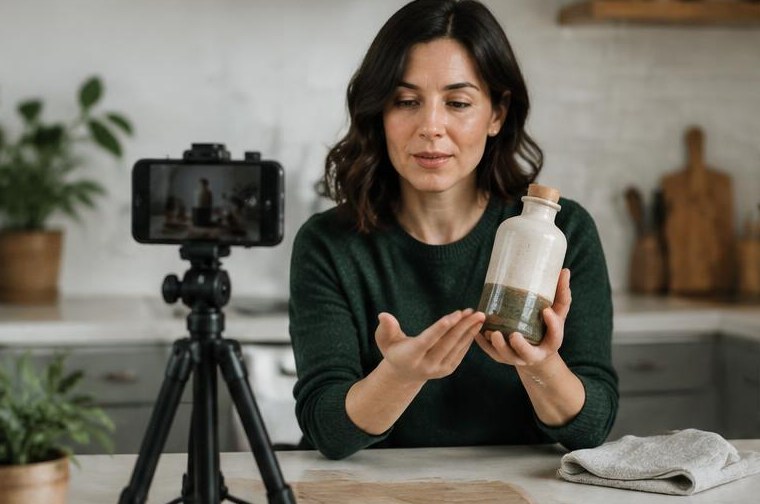
A UGC creator produces content a brand may publish or use in advertising. This differs from being paid to post to your own followers. Define the deliverable, platform, audience and usage before agreeing to a project.

Separate creation from audience access
A brand may buy your content to publish itself even if you have few followers. The contract should say whether you are producing files, posting to your account or allowing advertising use. These are different deliverables and rights.
A defined service
Offer one product demonstration video delivered to the brand, with no posting obligation and a stated organic usage period. Paid ads and exclusivity require separate agreement rather than being silently included.
- 1Choose product categories you can demonstrate honestly
- 2Study useful content structures
- 3Separate creation from publishing and ad usage
Worked example: decisions and trade-offs
A fictional household brand wants a short product demonstration for its own channels. You plan a truthful concept, create a sample and define delivery and usage rights. Making content for a client is different from requiring a large personal audience.
Distinguish creating content for a brand from posting an endorsement to your own audience. User-generated-style content may still be commissioned commercial work, so it must not masquerade as an independent unsolicited opinion. Choose product categories you can represent honestly. A portfolio sample should identify invented briefs and avoid suggesting a brand hired you when it did not. Do not invent results, testimonials or experience with a product. Ask whether the requested claims are factual and substantiated before agreeing to deliver a concept.
Write your answer before looking for a ready-made template. Identify the evidence you used, the assumption most likely to be wrong and the person who should approve the next step. Then describe a different choice and explain why it is less suitable in this particular case.
Define the problem before choosing a tool
Write the starting condition in plain language. Who experiences the problem, how often does it occur and what does it prevent them from doing? Separate an observed fact from a guess about its cause. A statement like the process takes too long needs an example and a baseline; a statement like everyone needs an app is already assuming the solution. Use a short conversation or a fictional practice case to identify what matters. Ask which constraints cannot change, including available time, existing systems and permissions.
Next, define a modest result you can verify. A useful result is a deliverable or observable improvement, not a claim that someone will become successful. Record what is outside your assignment and which decisions belong to another person. This boundary is not an obstacle to being helpful: it prevents you from taking responsibility for matters you cannot control. Before moving forward, explain the problem and proposed result in one paragraph. If that paragraph is difficult to write, reduce the scope until the relationship between need and work is clear.
Action checklist
- Choose product categories you can demonstrate honestly
- Study useful content structures
- Separate creation from publishing and ad usage
Workbook exercise
Write a service statement distinguishing content creation, posting and paid-ad rights.
Lesson 2
Build a sample portfolio
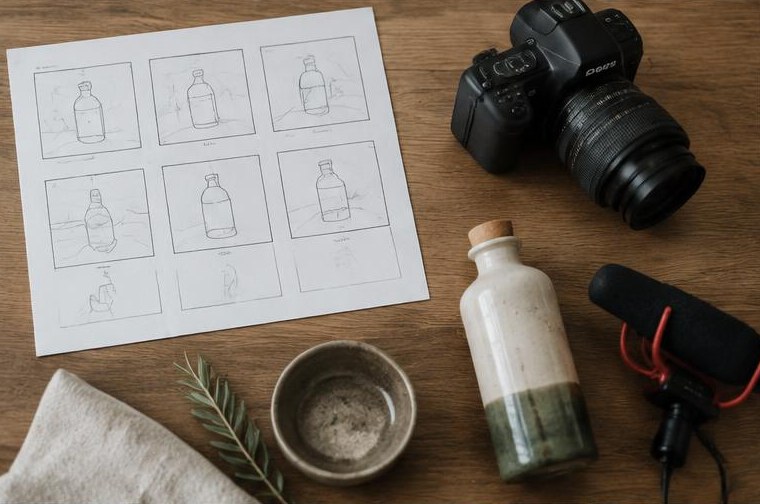
Create samples using products you own and label them as unsolicited examples. Show a demonstration, a problem-and-solution format and an honest review. Do not imply a brand hired you or make claims you cannot support.
Label sample work truthfully
Use products you own and identify unsolicited samples so viewers do not think a brand hired you. Show useful demonstrations and truthful experience. Do not deliver a scripted testimonial claiming results you did not observe.
A portfolio caption
Label a sample: independent demonstration, not commissioned by the brand. State what format it shows, such as a short unboxing or how-to. Keep personal addresses, receipts and unrelated account information out of the footage.
- 1Film two original samples
- 2Label portfolio work accurately
- 3Use licensed music and protect personal information
Worked example: decisions and trade-offs
A fictional household brand wants a short product demonstration for its own channels. You plan a truthful concept, create a sample and define delivery and usage rights. Making content for a client is different from requiring a large personal audience.
Prepare a brief that identifies audience, key message, required shots, format and restrictions. Write a concept using only claims you can support. Test audio, product visibility and framing, then review whether a viewer can understand the demonstrated use. Follow safety instructions and avoid misleading before-and-after sequences. Use original footage and properly licensed audio. A sample should demonstrate your process and quality without exposing private client information. Keep alternative takes organized so revisions do not require starting the project from scratch.
Write your answer before looking for a ready-made template. Identify the evidence you used, the assumption most likely to be wrong and the person who should approve the next step. Then describe a different choice and explain why it is less suitable in this particular case.
Build a practice example that can fail
Practice is most valuable when it reveals errors before a real customer is affected. Create a small example containing one normal case, one incomplete case and one exception. Use invented information and make the expected outcome explicit before you begin. Then perform the work using the same sequence you would use in a real assignment. Record where you hesitated, which instructions were unclear and which assumptions were unsupported. A sample that always succeeds because it avoids difficult cases teaches less than a realistic example with a visible correction.
Review the sample as if someone else had created it. Can a beginner understand the output? Can a reviewer trace an important decision back to its evidence? Is private information exposed unnecessarily? Ask a willing reviewer to follow the instructions without coaching, then note where they need help. Improve the process rather than blaming the reader. Preserve the revised version and a short change log so your next attempt starts from what you learned. The objective is dependable work, not a perfect-looking portfolio piece with no explanation of how it was made.
Action checklist
- Film two original samples
- Label portfolio work accurately
- Use licensed music and protect personal information
Workbook exercise
Create a portfolio outline with sample type, product, rights and honest context.
Lesson 3
Pitch relevant brands
Research brands that fit your experience, and send a short tailored pitch with a relevant sample. Verify contacts independently. Avoid offers that require you to deposit money to unlock work or purchase expensive products upfront.

Pitch one relevant idea
A short, specific proposal is easier to evaluate than a broad claim about making brands go viral. Match the format to the product and audience. Verify the business and contact independently before sending sensitive information or buying a required product.
A tailored pitch
Hello, I create clear product demonstrations for beginner gardeners. I have an independent sample showing a simple tool demonstration. One idea for your product is a short setup guide highlighting the controls new users often ask about.
- 1Identify five appropriate brands
- 2Write a specific content idea for each
- 3Verify contact and brief before committing
Worked example: decisions and trade-offs
A fictional household brand wants a short product demonstration for its own channels. You plan a truthful concept, create a sample and define delivery and usage rights. Making content for a client is different from requiring a large personal audience.
Content creation and permission to use the content are separate scope questions. Define platform, duration, territory, paid-ad use, editing rights, exclusivity and whether raw files are included. A brand asking for unlimited use across all channels is requesting more than a short organic posting license. Document revision rounds, approval deadlines and renewal arrangements. Consult appropriate guidance for contracts when needed. Payment should not be treated as automatically granting unlimited rights; both parties need a clear written understanding before production and publication.
Write your answer before looking for a ready-made template. Identify the evidence you used, the assumption most likely to be wrong and the person who should approve the next step. Then describe a different choice and explain why it is less suitable in this particular case.
Turn the method into a bounded plan
A workable plan connects activities, responsibilities and constraints. List the inputs you need, who supplies them, the sequence of work and the definition of completion. Include review time and an explicit way to handle changes. An estimate based only on the visible deliverable overlooks preparation, communication, correction and administration. Compare a normal case with a difficult case before deciding how much work you can accept. If the plan relies on approval or information from someone else, make that dependency visible instead of silently promising a deadline you cannot independently meet.
For any business calculation, distinguish gross receipts from the amount remaining after costs. Use current fees and real measurements where available, label hypothetical numbers clearly and include a downside scenario. Do not interpret an illustrative worksheet as a market rate or earnings prediction. Decide what evidence would justify continuing and what would cause you to pause. A budget-limited experiment is a learning decision, not a guarantee. The written scope should also explain exclusions, revision limits and the point at which extra requests require a new agreement.
Action checklist
- Identify five appropriate brands
- Write a specific content idea for each
- Verify contact and brief before committing
Workbook exercise
Draft: I create [format] for [audience]. Here is a sample and one idea for your product.
Lesson 4
Agree price and usage rights
Creation fees and licensing terms are separate decisions. Specify deliverable count, revisions, deadlines, platforms, usage duration, paid advertising and exclusivity. Do not give unlimited rights accidentally through a vague agreement.

Name usage rights explicitly
Specify where content may appear, for how long and whether edits, ads or creator-account access are involved. A creation fee does not automatically define all rights. Ask a qualified professional to review an agreement when terms are unclear or high stakes.
A licensing outline
List final file count, revision rounds, delivery date, organic usage channels and duration. Put paid advertising, exclusivity and any account authorization in separate terms. Agree how renewal and cancellation are handled.
- 1List deliverables and revision rounds
- 2Define duration, channels and ad usage
- 3Agree payment and cancellation terms
Worked example: decisions and trade-offs
A fictional household brand wants a short product demonstration for its own channels. You plan a truthful concept, create a sample and define delivery and usage rights. Making content for a client is different from requiring a large personal audience.
A useful outreach message links a relevant sample and proposes a specific concept without guaranteeing conversion results. Verify the business and the contact independently. Confirm whether the product must be purchased, supplied or returned, and reject arrangements that require sending money back after an overpayment. Use written approval for claims and the final edit. If the work is posted as an endorsement, apply the disclosure rules relevant to that publication. A polished clip does not excuse false claims or undisclosed commercial relationships.
Write your answer before looking for a ready-made template. Identify the evidence you used, the assumption most likely to be wrong and the person who should approve the next step. Then describe a different choice and explain why it is less suitable in this particular case.
Run a small test and listen to the evidence
Choose a test that answers one question. You might want to learn whether the intended audience understands the offer, whether the workflow removes a recurring error or whether a prototype solves a specific problem. Decide what to observe before running the test so you do not redefine success after seeing the result. Keep the scale manageable and use legitimate channels with appropriate permission. Explain the test honestly, including its limitations. Interest, compliments and attention can be useful feedback, but they are not interchangeable with verified demand, completed work or confirmed sales.
Record what people actually did or asked, not only what you hoped their reaction meant. Repeated confusion may indicate that your explanation needs revision. A lack of response may reflect audience fit, timing or an unclear offer; it does not by itself establish which factor caused the result. Change one important variable at a time when practical, and avoid spending heavily to rescue a test you have not understood. Respect a person's decision not to participate. A small experiment should improve judgment while preserving trust, privacy and the ability to stop.
Action checklist
- List deliverables and revision rounds
- Define duration, channels and ad usage
- Agree payment and cancellation terms
Workbook exercise
Draft a scope with separate creation, organic usage and paid-ad usage terms.
Lesson 5
Deliver and disclose responsibly
Confirm claims with evidence, and decline scripts that misrepresent your experience. Paid or gifted recommendations need clear disclosures wherever they appear. Deliver organized files and document acceptance, final payment and any renewal of usage rights.

Finish with a documented handoff
Deliver organized files through a safe channel and confirm the acceptance process. Keep the brief, approvals and agreed rights. Endorsement disclosures and truthful claims remain important when the brand publishes or advertises the content.
A delivery checklist
Include final files, approved caption text, disclosure requirements, usage expiration and acceptance deadline. Confirm final payment under the contract and record any later license renewal. Never supply a testimonial that misrepresents your actual experience.
- 1Review claims and disclosures
- 2Name and deliver final files securely
- 3Record acceptance and usage expiration
Worked example: decisions and trade-offs
A fictional household brand wants a short product demonstration for its own channels. You plan a truthful concept, create a sample and define delivery and usage rights. Making content for a client is different from requiring a large personal audience.
Deliver files in the agreed format and retain the approval record. Check that published use matches the license, especially paid placement or reuse after the agreed term. If results are shared, distinguish impressions and engagement from sales attribution you cannot verify. Request permission for portfolio use and remove confidential materials. Review the time spent on scripting, production and revisions before quoting a similar project. Reliable scope, truthful demonstrations and organized handoff are stronger foundations than promising that every piece of content will go viral.
Write your answer before looking for a ready-made template. Identify the evidence you used, the assumption most likely to be wrong and the person who should approve the next step. Then describe a different choice and explain why it is less suitable in this particular case.
Review quality, document learning and decide what comes next
Close the loop by comparing the result with the definition of completion. Inspect a sample of the work, verify important totals or claims and list unresolved issues. Distinguish a finished deliverable from an outcome influenced by many external factors. A useful review names what worked, what failed and what remains uncertain. Include time spent and recurring costs in the decision, not only the most attractive result. When the evidence is incomplete, say so. Stopping an unsuitable method or narrowing its scope can be a sensible outcome of the learning process.
Turn the review into a repeatable improvement: update the checklist, clarify an instruction, add an approval step or correct an assumption. Preserve records needed for continuity and compliance, but do not retain private information without a reason and an agreed policy. Review permissions and access when work ends. If you choose to continue, define the next small milestone and the evidence required before scaling. Steady, explainable progress is more useful than a vague growth target. Keep checking official requirements and seek qualified advice when the work moves beyond your competence.
Action checklist
- Review claims and disclosures
- Name and deliver final files securely
- Record acceptance and usage expiration
Workbook exercise
Create a delivery checklist with rights, disclosures, acceptance and renewal date.
Your first 30 days
Before committing, estimate setup costs, recurring subscriptions, time, fees and possible refunds. Separate gross receipts from net proceeds and reserve records for tax review. Do not borrow or make a major purchase simply to test an unproven idea. Verify client identities using contact details you find independently. Reject overpayment requests and checks that require you to send money back before funds are genuinely settled. Share only the personal information necessary through a verified, secure process. If a client pressures you to ignore safeguards, pause or walk away. Check state and local registration or licensing requirements for your activity, and seek qualified help when uncertain.
Week 1 — Read the book, inventory your existing skills and choose one specific audience or buyer. Write down the problem you intend to solve.
Week 2 — Build the practice deliverable described in the chapters. Check accuracy, rights, privacy and quality before anyone else uses it.
Week 3 — Have a few relevant conversations or run a small, budget-limited test. Record feedback without pressuring people or promising results.
Week 4 — Review costs, time, feedback and any confirmed revenue. Decide whether to improve, repeat or stop the test. No sale or client is guaranteed.
Tools to explore
Smartphone · CapCut · Google Drive. These are optional examples, not endorsements. Check current pricing, privacy settings and terms.
Resources & safe next steps
Never pay to unlock a job or supposed earnings. Keep income and expense records, protect private information and check the rules that apply to your work. Ask qualified professionals about tax, legal or licensing questions.
Module discussion
Loading discussion…
William A. · Boise, ID
2 days ago
I like that the images match what the text describes. It helps me remember where I am in the process.
Dennis T. · Tampa, FL
5 days ago
I appreciate that nothing here promises overnight results. The checklists are realistic for someone my age with a part-time schedule.
Steven C. · Reno, NV
9 days ago
I printed the process diagram and taped it beside my desk. Following it one step at a time keeps me from feeling overwhelmed.
Barbara C. · Spokane, WA
12 days ago
The section on avoiding scams should be required reading. I recognized two offers I had almost said yes to.
Carol L. · Omaha, NE
15 days ago
Thirty years in accounting and I still learned a better way to organize client records. Clear, careful, and practical.
Brenda P. · Columbus, OH
19 days ago
I read this slowly over a week with my morning coffee. Every chapter left me with one thing to actually do.
Robert H. · Portland, ME
22 days ago
I like that the images match what the text describes. It helps me remember where I am in the process.
Thomas E. · Albany, NY
25 days ago
I appreciate that nothing here promises overnight results. The checklists are realistic for someone my age with a part-time schedule.
Frank Y. · Richmond, VA
29 days ago
I printed the process diagram and taped it beside my desk. Following it one step at a time keeps me from feeling overwhelmed.